
The Nature of Luck in Gambling
Luck is often regarded as a fundamental aspect of gambling, encompassing the unpredictable elements that can lead to victory or defeat. It is that intangible quality that players hope to harness while placing bets, rolling dice, or spinning wheels. For those interested in exploring the various aspects of chance, betting sites australia provide insights into how luck influences outcomes. The uncertainty of outcomes is what makes gambling thrilling; however, defining and measuring luck could prove to be a complex endeavor involving various psychological and statistical components. This complexity suggests that luck exists on a spectrum, influenced by both chance and the player’s actions.
In the realm of gambling, luck is perceived differently by players, with some viewing it as mere chance while others believe it can be influenced through skill or strategy. While the outcomes of games such as slots are entirely random, table games like poker allow for skillful play that can sway results in a player’s favor. This distinction raises questions about whether luck can be quantified when players employ strategies to improve their odds. For instance, a skilled poker player may rely on reading opponents to make informed decisions, blending skill with the inherent luck of the draw.
The randomness inherent in most gambling situations can be statistically analyzed, leading to the development of mathematical models that attempt to explain and predict outcomes. However, these models still do not fully capture the essence of luck. Players often speak of “good luck” or “bad luck” as though these are forces that can be affected or attracted, which complicates the notion of quantifying luck in gambling settings. The subjective nature of luck means that each player’s experience can differ vastly, creating a unique gambling narrative for everyone involved.
Mathematics and Probability in Gambling
Mathematics plays a crucial role in gambling, providing frameworks through which outcomes can be evaluated. Probability theory helps to assess the likelihood of various events occurring, allowing players to make informed decisions based on expected returns. For example, in games like blackjack or poker, understanding the odds can significantly improve a player’s chances of winning. Yet, despite the mathematical foundations, the role of luck remains a formidable presence. Even the most strategically sound player can face unexpected outcomes that seem to defy mathematical prediction.
Probability can predict outcomes over time, but it does not account for the short-term fluctuations players experience during gambling sessions. A good player may have a winning strategy, yet this does not guarantee immediate success, as luck can still intervene and sway the results in unexpected ways. This paradox of relying on both skill and the whims of chance adds depth to the gambling experience and illustrates the difficulty in quantifying luck. Players must recognize that even the best strategies cannot eliminate the influence of luck on their results.

Moreover, the concept of variance also complicates how luck is perceived in gambling. Games with high variance may produce unpredictable results, amplifying the role luck plays in individual gaming sessions. Players may enjoy winning streaks fueled by luck, but lose it all just as quickly, demonstrating how luck and skill intertwine in intricate ways that resist simple quantification. As a result, understanding variance becomes essential for gamblers who wish to navigate the unpredictable landscape of gaming outcomes effectively.
Psychological Aspects of Luck
The psychological perception of luck can greatly influence a gambler’s behavior and decision-making processes. Cognitive biases, such as the illusion of control, can lead players to believe they can influence luck through specific rituals or habits. This belief may provide emotional comfort and enhance the gaming experience, but it does not necessarily align with the true nature of chance involved in gambling. For instance, players might wear a “lucky” shirt or perform a specific routine before placing a bet, believing these actions will sway the odds in their favor.
Furthermore, the way players interpret their wins and losses can also impact their perception of luck. For instance, a person who wins often may feel they possess a lucky charm or an innate ability to attract fortune. Conversely, frequent losses may lead players to feel cursed or unlucky. This psychological angle shows that luck is more than just a mathematical concept; it is deeply tied to individual experiences and perceptions. The distinction between perceived luck and actual odds can create a disconnect that affects gambling behavior.
Understanding these psychological aspects can also help operators and players alike create environments that encourage responsible gambling. Awareness of how luck can be perceived may assist in developing strategies that foster healthier attitudes toward gambling, ultimately leading to more enjoyable experiences. Gamblers should focus on enjoyment rather than solely on outcomes, which can lead them to appreciate the unpredictable nature of gaming. Cultivating a mindset that embraces the thrill of the game can enhance the overall gambling experience.
The Role of Technology in Measuring Luck
With advancements in technology, data analytics has emerged as a powerful tool that can aid in measuring luck within gaming environments. By analyzing large sets of data, researchers can identify patterns and trends that may influence gambling outcomes. This data-driven approach allows casinos to optimize game designs and enhance player experiences by ensuring a fair yet exciting atmosphere. Technology can help illuminate how luck operates over time, providing insights that were previously difficult to ascertain.
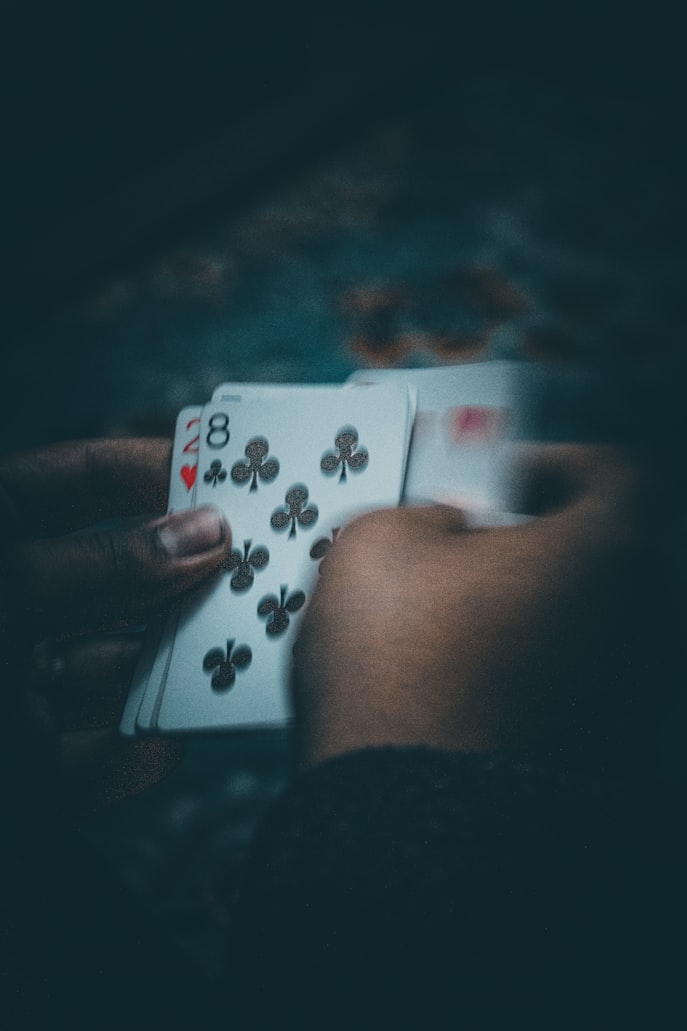
Additionally, algorithms can simulate gaming outcomes under various conditions, providing insights into how luck operates over time. For example, simulations can reveal how often certain outcomes occur in a random number generator, providing a clearer picture of how luck manifests in games. However, while technology can provide valuable insights, it still cannot fully encapsulate the human element involved in the perception of luck during gambling. The emotional responses players have during gameplay remain an integral part of the gambling experience.
Moreover, emerging technologies like artificial intelligence are beginning to play a role in customizing player experiences, potentially creating an environment where a player’s perception of luck may be influenced by tailored game recommendations. Although these developments aim to enhance user engagement, they also raise ethical questions regarding the relationship between technology and the innate unpredictability of luck in gambling. Balancing innovation with the essence of chance will be crucial for the future of gambling.
Conclusion: The Complexity of Luck in Gambling
The interplay between luck, skill, and psychological factors creates a complex web that defies simple quantification. While mathematical theories and technological advancements provide frameworks for understanding the odds and outcomes in gambling, they can never fully capture the essence of luck as experienced by individuals. Luck remains an enigmatic element that adds excitement and unpredictability to the gambling experience, captivating enthusiasts and casual players alike. This complexity is what keeps players returning, drawn by the thrill of uncertainty.
Ultimately, the ability to quantify luck in gambling may be less important than understanding its broader implications for behavior, strategy, and enjoyment. Engaging responsibly with gambling activities while acknowledging the role of luck can enhance the overall experience, allowing players to enjoy the thrill without falling into the traps of overconfidence or despair. Recognizing that luck is a blend of chance and personal perception can lead to more mindful gambling practices.
As individuals explore the vast landscape of gambling opportunities, recognizing the nuances of luck can empower them to appreciate the art of chance. The journey through gambling, influenced by luck and strategy, remains a fascinating exploration of human psychology and chance, inviting players to embrace the unpredictability that comes with each game. Understanding this multifaceted nature of luck can enrich the gambling experience, making it not just about winning or losing, but about the journey itself.